

As a supplier of vacuum laminating machines, I often receive inquiries about the versatility of our products. One common question is whether a vacuum laminating machine can be used for laminating insulation materials. In this blog post, I will explore this topic in detail, discussing the feasibility, benefits, and considerations of using a vacuum laminating machine for insulation material lamination.
Feasibility of Using a Vacuum Laminating Machine for Insulation Materials
Vacuum laminating machines are designed to apply pressure and heat to bond two or more layers of materials together under a vacuum environment. This process is highly effective for creating strong, durable bonds between various materials, including insulation materials. Insulation materials, such as foam, fiberglass, and mineral wool, often require a reliable lamination process to enhance their performance and durability. A vacuum laminating machine can provide the necessary conditions to achieve a high - quality lamination.
The vacuum environment in the laminating machine helps to remove air bubbles between the layers of insulation materials. Air bubbles can reduce the insulation efficiency of the material by creating pockets of air that conduct heat. By eliminating these air bubbles, the vacuum laminating process ensures a more uniform and effective insulation layer. Additionally, the pressure and heat applied during lamination can improve the adhesion between the insulation material and any backing or facing materials, further enhancing the overall performance of the insulation product.

Benefits of Using a Vacuum Laminating Machine for Insulation Materials
Enhanced Insulation Performance
As mentioned above, the removal of air bubbles and the improved adhesion between layers result in better insulation performance. A well - laminated insulation material can provide more consistent thermal resistance, reducing heat transfer and energy consumption.
Improved Durability
The lamination process using a vacuum laminating machine creates a strong bond between the insulation material and other components. This bond can withstand mechanical stress, such as vibration and impact, without delaminating. As a result, the insulation product has a longer service life and can maintain its performance over time.
Customization
Vacuum laminating machines offer a high degree of customization. Different types of insulation materials can be laminated with various backing materials, such as aluminum foil, plastic films, or fabric, depending on the specific application requirements. This allows for the production of insulation products tailored to different industries and environments.
Considerations When Using a Vacuum Laminating Machine for Insulation Materials
Material Compatibility
Not all insulation materials are suitable for vacuum lamination. Some materials may be sensitive to heat or pressure, which can cause deformation or damage during the lamination process. It is essential to test the compatibility of the insulation material and any backing materials with the vacuum laminating machine before large - scale production.
Temperature and Pressure Settings
The temperature and pressure settings of the vacuum laminating machine need to be carefully adjusted according to the properties of the insulation materials. Incorrect settings can lead to poor lamination quality, such as incomplete bonding or over - heating of the materials.
Production Capacity
The production capacity of the vacuum laminating machine should match the production requirements. If the demand for laminated insulation materials is high, a machine with a larger working area and faster cycle time may be necessary.
Our Vacuum Laminating Machine Solutions
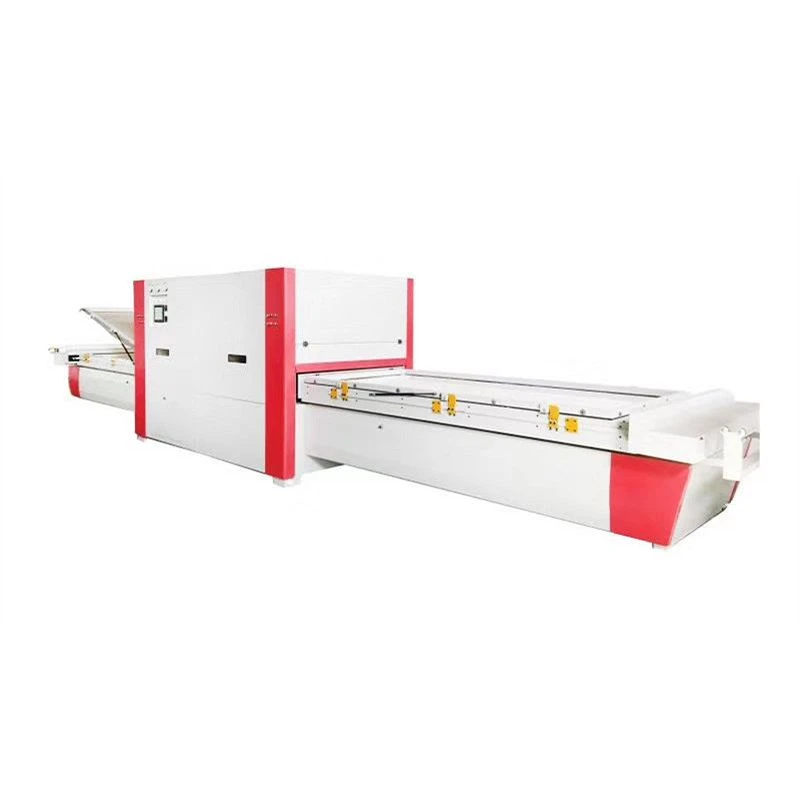
At our company, we offer a range of vacuum laminating machines that are suitable for laminating insulation materials. Our CNC Vacuum Laminating Machine provides precise control over temperature, pressure, and vacuum levels, ensuring high - quality laminations every time. It is equipped with advanced CNC technology, which allows for easy programming and adjustment of the lamination process parameters.
Our Sliding Door Blister Machine offers a unique design for efficient and smooth operation. It is particularly useful for laminating insulation materials that require a large - area lamination. The sliding door design allows for easy loading and unloading of materials, increasing the production efficiency.
The PVC Blister Laminating Machine is also a great option for laminating insulation materials with PVC - based facing materials. It can create a strong bond between the insulation and the PVC, providing additional protection and aesthetic appeal.
Conclusion
In conclusion, a vacuum laminating machine can indeed be used for laminating insulation materials. It offers many benefits, including enhanced insulation performance, improved durability, and customization options. However, it is important to consider material compatibility, temperature and pressure settings, and production capacity. Our company, as a professional supplier of vacuum laminating machines, provides a variety of high - quality machines that can meet the different needs of laminating insulation materials.
If you are interested in our vacuum laminating machines for your insulation material lamination projects, please feel free to contact us for more information and to discuss your specific requirements. We are looking forward to collaborating with you to achieve your production goals.
References
- Throne, James L. "Vacuum forming." Handbook of plastic forming technology. CRC Press, 2013.
- Strong, Alan B. Plastics: Materials and Processing. Pearson Prentice Hall, 2006.
- Morton, J. D. "Lamination of composite materials." Composite Materials: Design and Applications. CRC Press, 2012.


