

As a supplier of KDT Woodworking Machinery, I understand the importance of proper maintenance and cleaning for these high - quality machines. Regular cleaning not only extends the lifespan of the equipment but also ensures optimal performance, resulting in better woodworking results. In this blog, I'll share some detailed steps on how to clean KDT woodworking machines.
Pre - cleaning Preparations
Before you start cleaning any KDT woodworking machine, safety is of utmost importance. First, make sure the machine is completely powered off and unplugged from the electrical source. This prevents any accidental start - up during the cleaning process, which could lead to serious injuries.
Next, gather all the necessary cleaning tools. You'll typically need a soft - bristle brush to remove loose debris, a vacuum cleaner with a narrow nozzle attachment to suck up sawdust and small particles, a clean, lint - free cloth for wiping surfaces, and appropriate cleaning agents. For KDT machines, it's crucial to use cleaning agents that are recommended by the manufacturer to avoid damaging the machine's components. You can find the recommended cleaning products in the machine's user manual or by contacting our support team at KDT Woodworking Machinery.
Cleaning the Exterior
The exterior of the KDT woodworking machine is often the first place to accumulate dust and debris. Start by using the soft - bristle brush to gently sweep away any loose dust and wood chips from the machine's surface. Pay special attention to corners, crevices, and areas where dust tends to collect, such as around control panels and switches.
After brushing, use the vacuum cleaner with the narrow nozzle attachment to suck up the remaining dust. Move the nozzle slowly along the surface to ensure thorough cleaning. If there are stubborn stains or marks on the exterior, dampen the lint - free cloth with the recommended cleaning agent and gently wipe the affected area. Avoid using excessive moisture, as it can seep into the machine and cause damage.
Cleaning the Cutting and Shaping Components
The cutting and shaping components of KDT woodworking machines, such as blades, bits, and routers, require special care. These parts are not only crucial for the machine's performance but are also sharp and can cause injury if not handled properly.
First, carefully remove the cutting blades or bits according to the machine's user manual. Use a pair of gloves to protect your hands from cuts. Once removed, inspect the blades for any signs of damage, such as chips or dullness. If the blades are dull, they may need to be sharpened or replaced.
To clean the blades, soak them in a container filled with a mild cleaning solution recommended for metal parts. Let them soak for a few minutes to loosen any built - up resin or sawdust. Then, use a soft - bristle brush to gently scrub the blades, paying attention to the teeth and edges. Rinse the blades thoroughly with clean water and dry them completely with a lint - free cloth.
For routers and other shaping components, use a small brush to remove any sawdust and debris from the collet and the spindle. You can also use compressed air to blow out any remaining particles. Make sure the collet is clean before reinstalling the cutting bits.
Cleaning the Dust Collection System
A well - functioning dust collection system is essential for the performance and longevity of KDT woodworking machines. Over time, the dust collection system can become clogged with sawdust, reducing its efficiency.
Start by cleaning the dust collection bag or container. If it's a disposable bag, simply replace it with a new one. If it's a reusable container, empty it and wash it with mild soap and water. Make sure it's completely dry before putting it back in the machine.
Next, check the dust collection hoses for any blockages. Use a long, flexible rod or a vacuum cleaner with a reverse - blow function to clear any clogs. Also, inspect the hose connections to ensure they are tight and secure.
The dust collection filter is another critical component. Remove the filter and gently tap it against a hard surface to remove loose dust. If the filter is very dirty, you may need to wash it according to the manufacturer's instructions. Some filters can be washed with water and mild detergent, while others may require special cleaning products.
Cleaning the Electrical Components
Although electrical components should be handled with extreme caution, they also need to be kept clean to prevent malfunctions. Before cleaning any electrical parts, make sure the machine is completely powered off and unplugged.

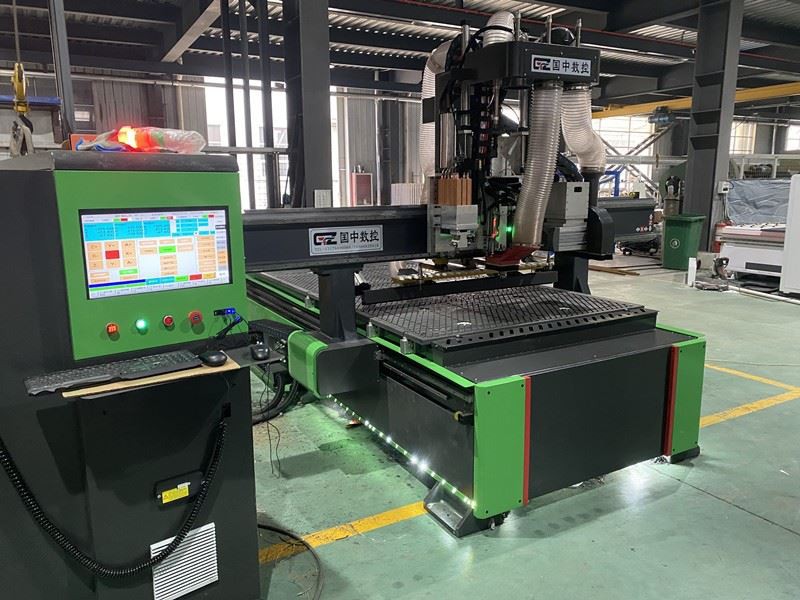
Use a can of compressed air to blow away dust from the electrical connections, control panels, and motors. Be careful not to get the compressed air too close to the components, as it could cause damage. If there are any stubborn dust particles, you can use a small brush to gently remove them.
Avoid using liquid cleaning agents on electrical components, as they can cause short - circuits. If you need to clean the control panel, use a dry, lint - free cloth to wipe the surface.
Cleaning the Table and Work Surface
The table and work surface of KDT woodworking machines are in constant contact with wood and can accumulate resin, glue, and sawdust. To clean the table, start by using a scraper to remove any large pieces of debris or dried glue. Be careful not to scratch the surface.
Next, use a cleaning agent recommended for the table material. For example, if the table is made of cast iron, you can use a mild degreaser. Apply the cleaning agent to a clean cloth and wipe the table surface in a circular motion. Rinse the cloth frequently to avoid spreading dirt.
After cleaning, dry the table completely to prevent rusting. You can also apply a thin layer of lubricant or wax to the table surface to protect it and make it easier to clean in the future.
Post - cleaning Checks
Once you've finished cleaning the KDT woodworking machine, it's important to perform a few post - cleaning checks. Reassemble all the components that you removed during the cleaning process, such as blades, bits, and dust collection parts. Make sure everything is installed correctly and securely.
Plug in the machine and turn it on to check if it operates normally. Listen for any unusual noises or vibrations, which could indicate a problem. If you notice any issues, stop the machine immediately and contact our technical support team at KDT Woodworking Machinery.
Conclusion
Properly cleaning your KDT woodworking machines is essential for maintaining their performance and longevity. By following the steps outlined in this blog, you can ensure that your machines are always in top - notch condition. Whether you're using a Multi Functional Wood Planer Machine or a 5 in 1 Combination Woodworking Machine, regular cleaning will help you achieve better woodworking results.
If you're interested in purchasing KDT woodworking machines or have any questions about maintenance and cleaning, feel free to contact us. We're here to provide you with the best products and support for your woodworking needs.
References
- KDT Woodworking Machinery User Manuals
- Industry best practices for woodworking machine maintenance


