

Hey there! As a supplier of ATC CNC Routers, I've seen firsthand how important it is to store tools properly in the Automatic Tool Changer (ATC) of these bad - ass machines. So, I thought I'd share some tips on how to do it right.
First off, let's talk about why proper tool storage in the ATC is a big deal. A well - organized ATC not only makes your CNC router more efficient but also helps in maintaining the quality of your tools. When tools are stored correctly, they're less likely to get damaged, which means they'll last longer and perform better. That's a win - win for everyone, whether you're a small - scale woodworker or a large manufacturing plant.
Understanding Your ATC
Before you start storing tools, it's crucial to understand the type of ATC your CNC router has. There are different kinds of ATCs out there, like the ones you can find on an ATC CNC Router. Some have carousel - style ATCs, where tools are placed in a circular holder that rotates to bring the right tool into position. Others might have linear ATCs, where tools are arranged in a straight line.
Cleaning the Tools Before Storage
You should always clean your tools before putting them back in the ATC. Cutting steel, wood, or any other materials can leave behind chips, dust, and debris on the tool bits. Over time, this build - up can cause problems. For example, it can affect the accuracy of the tool's cutting edge or even lead to corrosion.
Use a soft brush to remove any loose debris. I like to use a compressed air gun to blow out any hard - to - reach areas. You can also use a mild solvent to clean off any stubborn residue, but make sure to dry the tool thoroughly afterward. A clean tool is a happy tool, and it'll perform better in the long run.
Checking for Damage
While you're cleaning the tools, take a close look at them for any signs of damage. A chipped or worn - out tool can ruin a whole job if you don't catch it in time. Check the cutting edges for nicks, and look for any signs of excessive wear. If you find a damaged tool, don't just stick it back in the ATC. Replace it or get it repaired.
Organizing Tools by Type and Size
One of the best ways to store tools in the ATC is to organize them by type and size. For example, group all your end mills together, and then arrange them from the smallest diameter to the largest. This way, it's easy to find the tool you need when you're programming your CNC router.
You can also color - code the tool holders or use labels to make the identification process even faster. Just a little bit of organization can save you a ton of time when you're in the middle of a busy project.
Proper Tool Insertion
When you're putting the tools back in the ATC, make sure they're inserted correctly. Incorrect insertion can lead to the tool not sitting properly in the holder, which can cause vibrations during operation. This not only affects the quality of your cut but can also damage the tool and the ATC itself.
Follow the manufacturer's instructions for inserting the tools. Usually, there'll be a specific way to align the tool with the holder and a certain amount of force you need to apply to secure it.
Lubrication and Maintenance of the ATC
The ATC itself needs some love too. Regular lubrication of the moving parts is essential. This helps to reduce friction, prevent wear and tear, and ensure smooth operation. Check the lubrication levels regularly and add more as needed.
Also, keep an eye on the ATC's sensors and actuators. These components are responsible for detecting the tools and changing them automatically. If they're not working properly, the whole tool - changing process can go haywire.
Safety First
When you're working with tools and the ATC, safety should always be your top priority. Make sure the CNC router is turned off and unplugged before you start working on the ATC. Wear appropriate safety gear, like gloves and safety glasses, to protect yourself from any sharp edges or debris.
Special Considerations for Different Materials
If you're working with different materials, you might need to take some special considerations when storing your tools. For example, if you're cutting aluminum, you'll want to make sure the tools are kept dry to prevent corrosion.
On the other hand, if you're working with wood, make sure to clean the tools thoroughly to remove any resin or dust that can build up on them.
Loading Unloading and Disc Tool Change Options
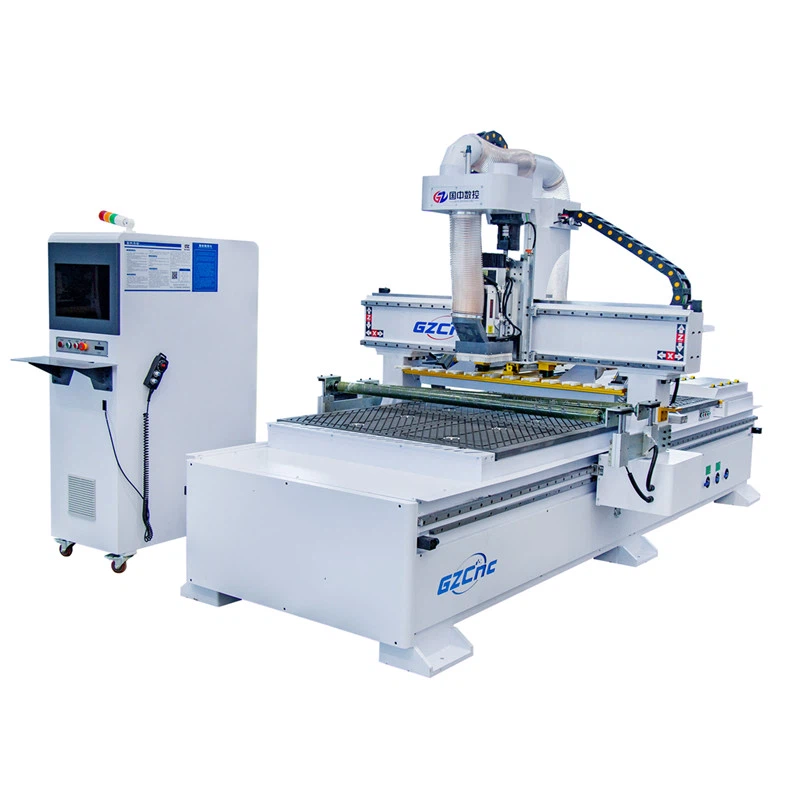
We also offer Loading Unloading CNC Router Machine and Disc Tool Change CNC Machining Center. These machines come with their own unique tool - storage requirements.
For the Loading Unloading CNC Router Machine, efficient tool storage is even more critical as it can affect the overall cycle time of the machine. You want to make sure that the tools are easily accessible and can be changed quickly.
The Disc Tool Change CNC Machining Center has a different ATC design. The disc - shaped tool holder requires a different approach to tool storage. You need to ensure that the tools are evenly distributed around the disc to prevent any imbalance during rotation.

Conclusion
Proper tool storage in the ATC of a CNC router is not just a matter of convenience; it's essential for the performance and longevity of your tools and the machine itself. By following these tips, you can keep your ATC in top shape and ensure that your CNC router is always ready to take on any project.
If you're in the market for a new ATC CNC Router or have any questions about tool storage or other aspects of our machines, don't hesitate to get in touch with us. We're here to help you make the most out of your CNC machining experience.
References
- General knowledge from working in the ATC CNC Router industry
- Machining textbooks and manuals related to CNC routers


