

Hey there! As an advertising CNC router supplier, I often get asked about the power consumption of these machines. It's a crucial factor for businesses, as it directly impacts operating costs. So, let's dive into what determines the power consumption of an advertising CNC router and how you can manage it.
What Affects the Power Consumption?
First off, the power consumption of an advertising CNC router isn't a one - size - fits - all number. It depends on several key factors.
1. Machine Size and Configuration
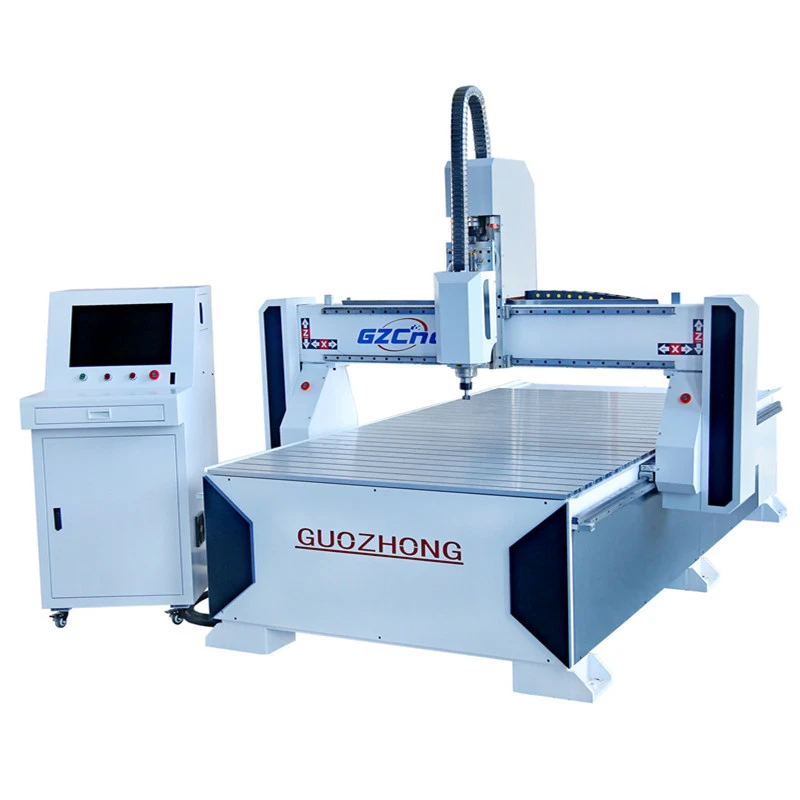
Bigger machines usually need more power. Larger advertising CNC routers have more components, like larger motors, bigger frames, and more advanced control systems. For example, a PC Sheet CNC Router designed for handling large PC sheets will likely consume more power than a smaller, more basic model. The number of axes also plays a role. A router with more axes (like a 5 - axis router) has more moving parts and motors, which means higher power usage compared to a 3 - axis router.
2. Spindle Power
The spindle is like the heart of the CNC router. It's responsible for cutting, engraving, and shaping materials. Spindles come in different power ratings, typically ranging from a few hundred watts to several kilowatts. A high - power spindle can cut through tough materials quickly but will gobble up more electricity. If you're working with soft materials like foam or thin acrylics, a lower - power spindle will do the job and save you on power costs. For instance, a small Double Swatch CNC Router might use a spindle with a power rating of around 1 - 2 kW, while a heavy - duty machine for cutting thick metals could have a spindle rated at 5 kW or more.
3. Cutting Speed and Feed Rate
How fast the router moves and cuts through materials also affects power consumption. Higher cutting speeds and feed rates require more power from the motors to maintain the momentum. If you set your machine to cut at a breakneck pace, it'll draw more electricity than if you run it at a slower, more controlled speed. However, you need to find a balance because cutting too slowly can also be inefficient and increase the overall processing time.
4. Material Type
Different materials have different hardness and density, which means the router has to work harder to cut through some than others. Cutting through hardwood or thick aluminum will require more power than cutting through soft plastics or cardboard. For example, a KT Plate CNC Cutting Machine cutting through a thick KT plate will use more power compared to when it's cutting a thin layer of paperboard.
Measuring Power Consumption
To figure out how much power your advertising CNC router is using, you can use a power meter. Just plug the machine into the power meter, and it'll show you the real - time power consumption in watts. You can also look at the machine's specifications provided by the manufacturer. They usually list the maximum power consumption of the router under full - load conditions.
Let's say you have a small - to - medium - sized advertising CNC router with a 2 kW spindle. Under normal operating conditions, it might consume around 1.5 - 2 kW per hour. But if you're running multiple tools simultaneously or using a high - power spindle at full capacity, the consumption can go up significantly.
Managing Power Consumption
Now that we know what affects power consumption, how can we manage it?
1. Optimize Cutting Parameters
As mentioned earlier, finding the right cutting speed and feed rate is crucial. You can run some test cuts on scrap materials to determine the optimal settings for different materials. This way, you can get the job done efficiently without using more power than necessary.
2. Choose the Right Spindle
Select a spindle with a power rating that matches your typical workload. If you mostly work with soft materials, there's no need to go for a high - power spindle. You'll save on both the initial cost of the machine and the long - term power bills.
3. Turn Off When Not in Use
It might seem obvious, but many people leave their CNC routers running even when they're not actively using them. Make it a habit to turn off the machine when you're taking a break or at the end of the day. This simple step can save a significant amount of electricity over time.
4. Regular Maintenance
Keep your machine well - maintained. A dirty or poorly maintained router has to work harder to perform the same tasks, which means higher power consumption. Clean the machine regularly, lubricate the moving parts, and check for any loose belts or worn - out components.
Cost Implications
The power consumption of your advertising CNC router directly impacts your bottom line. Higher power usage means higher electricity bills. Over the course of a year, these costs can add up, especially if you're running the machine for long hours every day. By managing power consumption, you can reduce these costs and improve your profit margins.
For example, if your machine consumes 2 kW per hour and you run it for 8 hours a day, 5 days a week, at an electricity rate of $0.15 per kilowatt - hour, your weekly power cost would be $12. Over a year, that's $624. By implementing power - saving measures and reducing consumption by just 20%, you could save over $120 a year.
Conclusion
So, there you have it! The power consumption of an advertising CNC router depends on various factors, including machine size, spindle power, cutting parameters, and material type. By understanding these factors and taking steps to manage power usage, you can keep your electricity costs in check and make your business more sustainable.
If you're in the market for an advertising CNC router or want to learn more about how to optimize power consumption for your existing machine, don't hesitate to reach out. We're here to help you find the right solution for your needs and budget.

References
- General knowledge in the field of CNC routers and power consumption.
- Manufacturer specifications of advertising CNC routers.


