

Hey there! As a supplier of vacuum laminating machines, I often get asked about the energy consumption of these nifty pieces of equipment. So, I thought I'd take a deep dive into this topic and share some insights with you all.
First off, let's understand what a vacuum laminating machine does. It's a device that uses vacuum pressure to laminate different materials together. This process is super useful in various industries, like packaging, printing, and even electronics. You can find different types of these machines on our website, such as the Sliding Door Blister Machine, CNC Vacuum Laminating Machine, and PVC Blister Laminating Machine.
Now, when it comes to energy consumption, several factors come into play. One of the main factors is the size of the machine. Generally speaking, larger machines tend to consume more energy. This is because they have bigger motors, heaters, and other components that need power to operate. For example, a large - scale industrial vacuum laminating machine used in a big manufacturing plant will use more electricity compared to a smaller, table - top model used in a small workshop.
Another factor is the power rating of the machine. The power rating is usually measured in kilowatts (kW). A machine with a higher power rating will consume more energy per hour of operation. When you're looking at the specs of a vacuum laminating machine, pay close attention to this number. It can give you a good idea of how much it's going to cost you to run the machine over time.
The type of laminating process also affects energy consumption. Some processes require higher temperatures and longer heating times. For instance, if you're laminating materials that need to be heated to a very high temperature to bond properly, the machine's heaters will have to work harder and use more energy. On the other hand, if the laminating process can be done at a lower temperature, the energy consumption will be reduced.
The frequency of use is another important consideration. If you're running the machine continuously for long hours every day, it's going to consume a significant amount of energy. However, if you only use it occasionally, the overall energy consumption will be much lower.
Let's talk about some real - world examples. Say you have a small - sized vacuum laminating machine with a power rating of 2 kW. If you run this machine for 5 hours a day, the daily energy consumption would be 2 kW x 5 hours = 10 kilowatt - hours (kWh). Now, if your electricity cost is, let's say, $0.15 per kWh, then the daily cost of running this machine would be 10 kWh x $0.15 = $1.5. Over a month (assuming 30 days), that would add up to $45.
For a larger industrial machine with a power rating of 10 kW, running 8 hours a day, the daily energy consumption would be 10 kW x 8 hours = 80 kWh. At the same electricity rate of $0.15 per kWh, the daily cost would be 80 kWh x $0.15 = $12. And over a month, it would cost you $360.
So, how can you reduce the energy consumption of your vacuum laminating machine? One way is to optimize the operating parameters. Make sure you're using the right temperature and pressure settings for the materials you're laminating. Don't set the temperature higher than necessary, as this will waste energy.

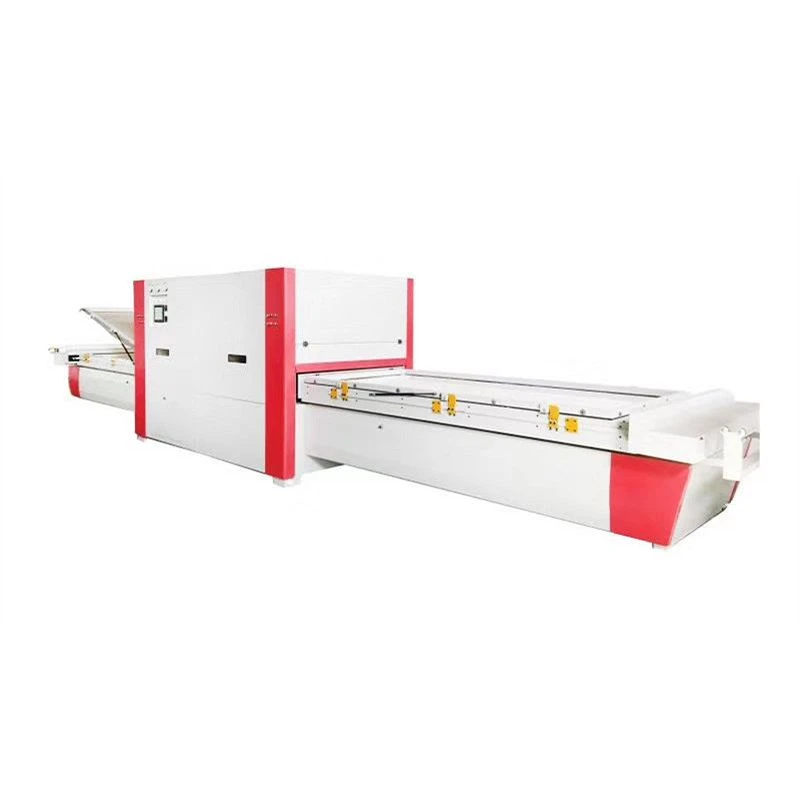
Another tip is to perform regular maintenance on the machine. A well - maintained machine will operate more efficiently. For example, clean the heaters regularly to ensure they're working at their best. Check the seals to make sure there are no air leaks, as this can cause the machine to work harder and use more energy.
You can also consider using energy - efficient models. Some modern vacuum laminating machines are designed with energy - saving features. These machines might have advanced control systems that can adjust the power consumption based on the workload.
In conclusion, the energy consumption of a vacuum laminating machine depends on several factors, including size, power rating, laminating process, and frequency of use. By understanding these factors and taking steps to optimize energy use, you can reduce the operating costs of your machine.
If you're in the market for a vacuum laminating machine and want to learn more about energy - efficient options or have any questions about our products, feel free to reach out. We're here to help you make the best choice for your business. Whether you need a Sliding Door Blister Machine, CNC Vacuum Laminating Machine, or PVC Blister Laminating Machine, we've got you covered. Let's start a conversation and see how we can meet your laminating needs.
References:
- General knowledge of industrial machinery and energy consumption in the manufacturing industry.
- Product specifications and user manuals of vacuum laminating machines.


