

As a seasoned supplier of wooden door equipment, I've witnessed firsthand how different types of machinery play pivotal roles in the wooden door manufacturing process. Each piece of equipment is like a specialized tool in a craftsman's kit, with unique functions that contribute to the overall quality and efficiency of production.
Woodworking Planer
The Woodworking Planer is a fundamental piece of equipment in wooden door production. Its primary function is to create a smooth and even surface on wooden boards. By removing excess material, it ensures that the wood has a consistent thickness across its entire length and width. This is crucial as it provides a stable base for subsequent processes such as joining, sanding, and finishing.
When using a woodworking planer, operators can adjust the cutting depth according to the requirements of the project. This flexibility allows for precise control over the thickness of the wood, which is essential for achieving the desired dimensions of the wooden door. Additionally, the planer can also be used to straighten warped or uneven boards, making them suitable for use in door construction.

In addition to surface preparation, woodworking planers can also be used to shape the edges of wooden boards. By using different types of cutters, operators can create various edge profiles, such as bevels, chamfers, and rabbets. These profiles not only enhance the aesthetic appeal of the wooden door but also facilitate the assembly process.
SCM Woodworking Machinery
The SCM Woodworking Machinery is a comprehensive range of equipment designed to meet the diverse needs of wooden door manufacturers. This machinery offers a wide variety of functions, from cutting and shaping to assembly and finishing.
One of the key functions of SCM woodworking machinery is precision cutting. The machines are equipped with high - speed saw blades and advanced control systems that ensure accurate and clean cuts. Whether it's cutting the wooden boards to the required size or making intricate cuts for joinery, SCM machinery can handle it with ease.
In terms of shaping, SCM woodworking machinery can create complex profiles and designs on wooden doors. Using computer - controlled routers and shapers, manufacturers can produce doors with unique patterns and details, which can significantly enhance the marketability of their products.
Assembly is another area where SCM machinery excels. The equipment can be used to join wooden components together with high precision. For example, it can create strong and seamless joints using techniques such as mortise and tenon, dovetail, and finger joints. These joints not only provide structural integrity to the wooden door but also contribute to its overall durability.
Finally, SCM woodworking machinery also offers finishing capabilities. It can sand, stain, and paint the wooden doors to achieve a smooth and professional finish. This helps to protect the wood from environmental factors and gives the doors an attractive appearance.
Multi Functional Wood Planer Machine
The Multi Functional Wood Planer Machine combines the functions of a traditional woodworking planer with additional features, making it a versatile tool for wooden door production.
One of the unique functions of a multi - functional wood planer machine is its ability to perform both surface planing and thicknessing. This means that it can not only create a smooth surface on the wood but also adjust the thickness of the board in a single operation. This saves time and labor, especially in large - scale production.
In addition to planing and thicknessing, some multi - functional wood planer machines are also equipped with a sawing function. This allows operators to make cross - cuts and rip cuts on the wooden boards, eliminating the need for a separate sawing machine. This integrated design not only reduces the floor space required in the workshop but also improves the overall efficiency of the production process.
Another useful feature of the multi - functional wood planer machine is its dust collection system. Woodworking generates a significant amount of sawdust and debris, which can be a health hazard and also affect the quality of the work. The dust collection system effectively captures the dust during the planing and cutting processes, keeping the workshop clean and the air quality high.
Other Key Equipment and Their Functions
Aside from the above - mentioned equipment, there are other crucial pieces of machinery in wooden door production.
Boring machines are used to create holes in the wooden doors for hinges, locks, and other hardware. These holes need to be precisely located and drilled to the correct size to ensure proper installation of the hardware.
Edge banding machines play an important role in covering the exposed edges of wooden boards with edge banding material. This not only enhances the appearance of the wooden door but also protects the edges from damage and moisture.
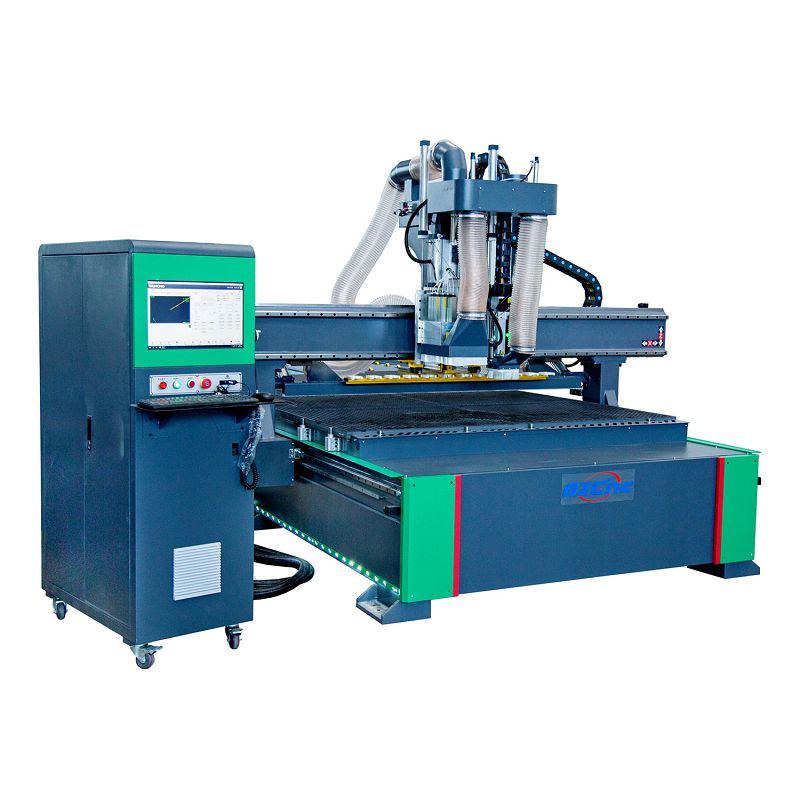
CNC machining centers are increasingly popular in the wooden door industry. They can perform a wide range of operations, including cutting, milling, drilling, and engraving, with high precision and repeatability. CNC machining centers are programmed using computer - aided design (CAD) software, allowing manufacturers to create complex and customized wooden door designs.
Importance of Choosing the Right Equipment
Selecting the appropriate wooden door equipment is crucial for the success of any wooden door manufacturing business. The right equipment can improve production efficiency, reduce labor costs, and enhance the quality of the final product.
When choosing equipment, manufacturers need to consider several factors. Firstly, they need to assess their production volume and requirements. For small - scale production, a simple and cost - effective set of equipment may be sufficient. However, for large - scale production, more advanced and automated machinery may be necessary to meet the high - volume demand.
Secondly, the quality and reliability of the equipment are of utmost importance. High - quality equipment is less likely to break down, which means less downtime and higher productivity. Additionally, reliable equipment can produce more consistent results, ensuring the quality of the wooden doors.
Thirdly, manufacturers should also consider the ease of use and maintenance of the equipment. User - friendly equipment can reduce the training time for operators and improve their work efficiency. Moreover, equipment that is easy to maintain can save on maintenance costs and prolong the service life of the machinery.
Contact Us for Procurement
If you are in the wooden door manufacturing industry and looking to upgrade your equipment or start a new production line, we are here to help. As a professional wooden door equipment supplier, we offer a wide range of high - quality machinery with excellent functions and performance. Our team of experts can provide you with detailed information about our products and help you choose the most suitable equipment for your specific needs.
We understand that investing in wooden door equipment is a significant decision. That's why we are committed to providing you with comprehensive after - sales service, including installation, training, and technical support. Whether you have a small workshop or a large - scale manufacturing facility, we have the solutions to meet your requirements.
Don't hesitate to contact us for more information or to discuss your procurement needs. We look forward to working with you to take your wooden door production to the next level.
References
- Harper, C. A. (Ed.). (2006). Wood handbook: Wood as an engineering material. United States Department of Agriculture, Forest Service, Forest Products Laboratory.
- Reiterer, A., Moschler, H., & Terziev, V. (2018). Wood machining and properties: An introduction. John Wiley & Sons.


