

Hey there, fellow woodworking enthusiasts! As a supplier of top - notch woodworking tools, I'm super stoked to dive into the world of woodworking planers with you today. Woodworking planers are like the unsung heroes in a woodworker's toolkit. They help you get that perfect, smooth finish on your wood pieces, and there are several different types to choose from. Let's take a closer look at each one.
Hand Planers
First up, we've got hand planers. These are the old - school, classic tools that have been around for ages. They're simple, easy to use, and super portable. You can just grab one and take it with you wherever you go.
There are two main types of hand planers: block planers and bench planers. Block planers are small and compact. They're great for small woodworking projects, like trimming the edges of a small wooden box or smoothing out a rough spot on a piece of furniture. They're also really handy for getting into tight spaces where a larger tool won't fit.
Bench planers, on the other hand, are a bit bigger and more powerful. They're designed to be used on a workbench, hence the name. You can use them to flatten larger pieces of wood, like tabletops or door panels. They have a wider cutting width, which means you can get more done in less time.
The cool thing about hand planers is that they give you a lot of control. You can really feel the wood as you're planing it, and you can adjust the pressure and angle to get the exact finish you want. But they do require a bit of skill and practice to use effectively. If you're just starting out in woodworking, hand planers are a great place to begin your journey. You can check out our selection of Woodworking Planer to find the perfect hand planer for your needs.
Jointer Planers
Jointer planers are another important type of woodworking planer. They're mainly used for creating flat, straight edges on wood pieces. This is crucial when you're joining two pieces of wood together, like when you're building a cabinet or a bookshelf.
A jointer planer has a long, flat bed and a cutting blade that runs along the top. You place the wood on the bed and push it through the blade, which shaves off a thin layer of wood. This helps to remove any warping or unevenness in the wood, leaving you with a perfectly flat surface.
One of the key features of a jointer planer is its ability to create a 90 - degree angle on the edge of the wood. This is really important for ensuring a tight, seamless joint between two pieces of wood. If you're serious about woodworking and want to create high - quality furniture or other wood projects, a jointer planer is a must - have tool. You can find some great jointer planers in our Multi Functional Wood Planer Machine collection.
Thickness Planers
Thickness planers, as the name suggests, are used to make the thickness of a piece of wood uniform. When you buy a piece of lumber from the store, it's often not perfectly even in thickness. A thickness planer can solve that problem.
You feed the wood into the planer, and it passes through a set of rotating blades. These blades shave off a thin layer of wood from the top of the piece, making it the same thickness all the way across. This is really useful when you're working on a project where the thickness of the wood matters, like when you're making a wooden tabletop or a set of drawers.
Thickness planers come in different sizes and capacities. Some are small and portable, which are great for hobbyists and small - scale woodworking projects. Others are large and industrial - grade, designed for professional woodworkers who need to process a lot of wood quickly. No matter what your needs are, we've got a thickness planer that's right for you. Check out our Woodworking Planer page to see our full range.
Drum Planers
Drum planers are a type of thickness planer, but they have a unique design. Instead of using a set of straight blades, they use a drum with cutting teeth on it. The drum rotates as the wood passes through, and the cutting teeth shave off the wood.
One of the advantages of drum planers is that they can handle thicker pieces of wood compared to some other types of planers. They're also great for getting a really smooth finish on the wood. The rotating drum helps to distribute the cutting force evenly, which reduces the risk of tear - out and other surface imperfections.
However, drum planers can be a bit more expensive and require more maintenance than some other types of planers. But if you're working on high - end woodworking projects and need a tool that can give you a flawless finish, a drum planer is definitely worth considering. You can find out more about our drum planers and other woodworking tools on our Multi Functional Wood Planer Machine page.
Oscillating Spindle Sanders (a related tool)
While not strictly a planer, oscillating spindle sanders are often used in conjunction with planers to achieve a smooth finish on wood. They have a spindle that oscillates up and down while it rotates, which helps to prevent the sandpaper from leaving swirl marks on the wood.
These sanders are great for sanding curved surfaces, edges, and small, detailed areas. After you've planed a piece of wood, you can use an oscillating spindle sander to give it that final, smooth finish. They're a versatile tool that can really enhance the quality of your woodworking projects. If you're interested in learning more about how to pair these with our planers, just check out our Woodworking Planer and related product pages.
Router Planers
Router planers are a combination of a router and a planer. They use a router bit to cut and shape the wood, and they can be used for a variety of tasks, such as creating rabbets, dados, and chamfers.
These planers are really versatile because you can change the router bit to achieve different cutting profiles. They're also great for working on small - to - medium - sized projects where you need to make precise cuts and shapes. If you're looking for a tool that can do multiple jobs, a router planer might be the right choice for you. You can explore our selection of router planers and other woodworking equipment on our Woodworking Planer page.
Conclusion
So, there you have it! The different types of woodworking planers and their unique features. Whether you're a beginner just starting out in woodworking or a seasoned pro, there's a planer out there that's perfect for your needs.
As a supplier, we're committed to providing you with the best - quality woodworking tools at competitive prices. Our products are designed to be durable, efficient, and easy to use. We also offer great customer service to make sure you have a smooth purchasing experience.
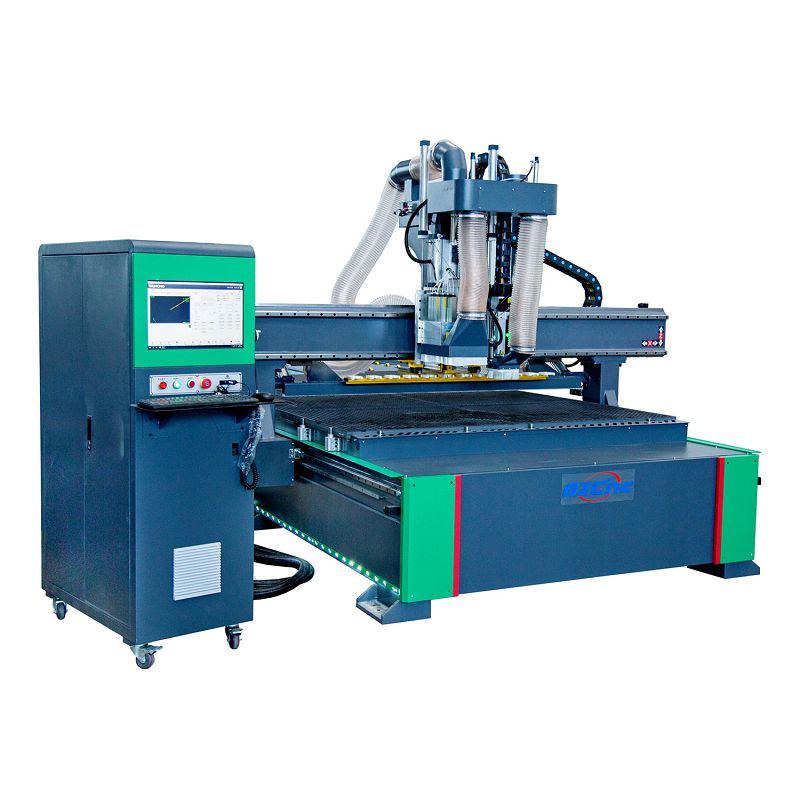
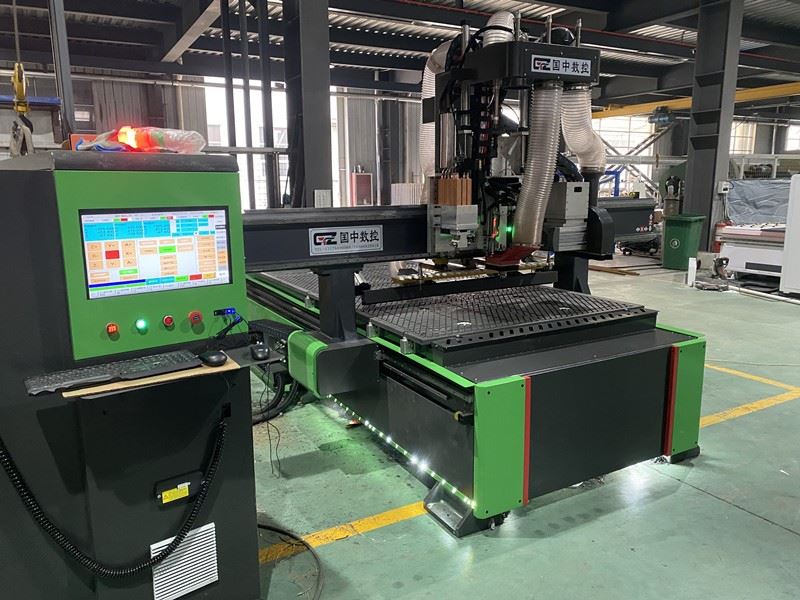
If you're interested in any of our woodworking planers or other tools like the Wooden Door Drilling Machine, don't hesitate to reach out to us. We're here to answer all your questions and help you find the right tool for your project. Whether you're looking to build a small wooden box or a large - scale piece of furniture, we've got you covered.
Let's get in touch and start your next woodworking adventure together!
References
- Woodworking Magazine
- Popular Woodworking
- The Complete Guide to Woodworking Tools


