

Bubbles can be a persistent headache during the lamination process of a vacuum laminating machine. As a supplier of vacuum laminating machines, I've witnessed firsthand the challenges that bubbles pose to the quality of the final product. In this blog post, I'll share some effective strategies to prevent bubbles from forming during the lamination process.
Understanding the Causes of Bubbles
Before we delve into the prevention methods, it's crucial to understand why bubbles form in the first place. Several factors can contribute to bubble formation during the lamination process:
- Trapped Air: When the laminating materials are placed together, air can get trapped between them. This is especially common if the materials are not properly aligned or if there are wrinkles or folds.
- Moisture: Moisture in the laminating materials or the environment can cause bubbles to form. Water vapor can expand during the lamination process, creating pockets of air.
- Temperature and Pressure: Incorrect temperature and pressure settings can also lead to bubble formation. If the temperature is too low, the adhesive may not flow properly, leaving air pockets. On the other hand, if the temperature is too high, the materials may warp or release gases, causing bubbles.
- Adhesive Issues: The type and quality of the adhesive used can significantly impact bubble formation. If the adhesive is not compatible with the laminating materials or if it has expired, bubbles may form.
Strategies to Prevent Bubble Formation
1. Prepare the Laminating Materials
- Clean and Dry the Materials: Ensure that the laminating materials are clean and dry before starting the process. Any dirt, dust, or moisture on the materials can cause bubbles. Use a clean, lint - free cloth to wipe the materials and allow them to dry completely.
- Inspect for Wrinkles and Folds: Carefully examine the laminating materials for any wrinkles or folds. Smooth out any imperfections before placing the materials in the vacuum laminating machine. If necessary, trim the edges of the materials to ensure a clean and straight cut.
2. Optimize the Lamination Environment
- Control the Humidity: Maintain a low humidity environment during the lamination process. High humidity can introduce moisture into the laminating materials, leading to bubble formation. Use a dehumidifier if necessary to keep the humidity level below 50%.
- Keep the Workspace Clean: A clean workspace is essential to prevent dust and debris from getting trapped between the laminating materials. Regularly clean the vacuum laminating machine and the surrounding area to minimize the risk of contamination.
3. Set the Correct Temperature and Pressure
- Follow the Manufacturer's Guidelines: Each vacuum laminating machine has specific temperature and pressure settings recommended by the manufacturer. Refer to the user manual and follow these guidelines carefully. These settings are designed to ensure proper adhesive flow and bonding without causing bubbles.
- Conduct Test Runs: Before starting a large - scale lamination project, conduct a few test runs with scrap materials. Adjust the temperature and pressure settings as needed based on the results of the test runs. This will help you find the optimal settings for your specific laminating materials.
4. Choose the Right Adhesive
- Select a Compatible Adhesive: Make sure the adhesive you choose is compatible with the laminating materials. Different materials require different types of adhesives. Consult with the adhesive manufacturer or your vacuum laminating machine supplier for recommendations.
- Check the Expiration Date: Using an expired adhesive can lead to poor bonding and bubble formation. Always check the expiration date of the adhesive before use and discard any expired products.
5. Use Proper Lamination Techniques
- Align the Materials Carefully: Precise alignment of the laminating materials is crucial to prevent air from getting trapped. Use alignment guides or templates if available to ensure accurate placement.
- Apply Even Pressure: When placing the laminating materials in the vacuum laminating machine, apply even pressure to remove any air bubbles. You can use a roller or a flat tool to gently press the materials together before starting the lamination process.
Our Vacuum Laminating Machine Solutions
As a leading supplier of vacuum laminating machines, we offer a wide range of high - quality machines to meet your specific needs. Our Sliding Door Blister Machine is designed for efficient and precise lamination of sliding door blisters. It features advanced vacuum technology and adjustable temperature and pressure settings to ensure bubble - free lamination.
Our CNC Vacuum Laminating Machine is equipped with computer - numerical control (CNC) technology, allowing for highly accurate and repeatable lamination processes. This machine is ideal for complex laminating tasks and can significantly reduce the risk of bubble formation.

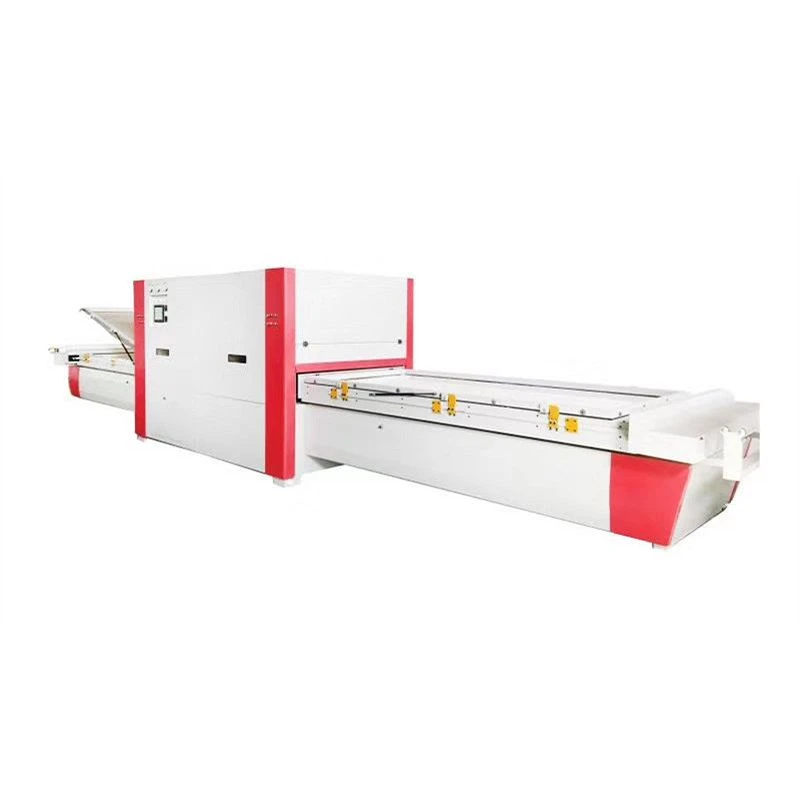
For PVC blister lamination, our PVC Blister Laminating Machine is the perfect choice. It is specifically designed to handle PVC materials and provides excellent bonding results without bubbles.
Conclusion
Preventing bubbles from forming during the lamination process of a vacuum laminating machine requires a combination of proper material preparation, environmental control, correct temperature and pressure settings, suitable adhesive selection, and proper lamination techniques. By following the strategies outlined in this blog post and choosing the right vacuum laminating machine, you can achieve high - quality, bubble - free lamination results.
If you're interested in learning more about our vacuum laminating machines or have any questions about preventing bubble formation, we encourage you to contact us for a detailed discussion. Our team of experts is ready to assist you in finding the best solution for your lamination needs.
References
- "Lamination Technology Handbook" by John Doe
- "Vacuum Laminating Machine Operation Manual" provided by our company


