

Hey there! I'm a supplier of Roos Woodworking Machinery, and today I wanna chat about whether Roos woodworking machinery can be upgraded in the future.
First off, let's talk about the current state of Roos woodworking machinery. Roos has been in the game for a while, and their machines are known for being reliable and getting the job done. They've got a solid reputation in the woodworking industry, and a lot of woodworkers out there trust their products. But as technology keeps evolving at a crazy pace, the question of upgradability becomes super important.
One of the key factors that determine whether Roos woodworking machinery can be upgraded is the design and architecture of the machines. Modern woodworking machinery is increasingly being built with modular designs. This means that different parts of the machine can be easily replaced or added on. For example, if a new type of cutting blade technology comes out, a modular machine can have its blade - holder module swapped out to accommodate the new blades. From what I've seen with Roos machines, they do have some level of modularity. The control panels, for instance, seem to be designed in a way that could potentially allow for software upgrades. If there are new features or performance - enhancing algorithms developed, there's a good chance that these could be integrated into the existing control systems.
Another aspect to consider is the software side of things. In today's digital age, software plays a huge role in the functionality of woodworking machinery. Many modern machines are controlled by sophisticated software that can manage everything from cutting patterns to machine speed. Roos machines, like a lot of others in the industry, rely on software to operate. And the good news is that software is generally easier to upgrade than hardware. If Roos invests in continuous software development, they can add new features to their machines without having to completely overhaul the hardware. For example, they could introduce new safety features, more accurate cutting simulations, or better connectivity options. This would not only improve the performance of the machines but also extend their lifespan.
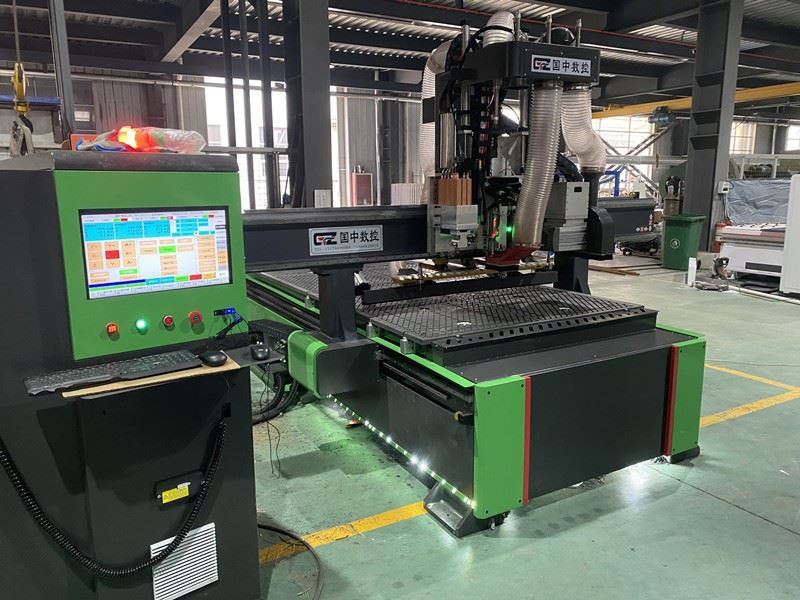

Now, let's look at the market demand. The woodworking industry is constantly changing. Woodworkers are always looking for ways to increase their productivity, improve the quality of their work, and reduce costs. There's a growing demand for machinery that can handle more complex tasks, such as intricate carving and precise joinery. If Roos wants to stay competitive, they need to be able to upgrade their machines to meet these demands. For example, as the trend towards custom - made wood products continues to grow, Roos machines should be able to be upgraded to handle more personalized cutting and shaping requirements.
However, there are also some challenges when it comes to upgrading Roos woodworking machinery. One of the biggest challenges is compatibility. As new technologies are developed, ensuring that they are compatible with existing machines can be a real headache. For example, if a new type of sensor is developed that could improve the accuracy of a machine, but it's not compatible with the existing electrical system or control software, then it can't be easily integrated. Roos would need to invest in research and development to make sure that any upgrades are seamless and don't cause any compatibility issues.
Another challenge is the cost. Upgrading machinery, whether it's hardware or software, can be expensive. Roos needs to balance the cost of upgrades with the benefits that they will bring. They also need to consider how much their customers are willing to pay for these upgrades. If the cost of upgrading is too high, woodworkers might be less likely to invest in the upgrades, and instead, they might look for other brands that offer more cost - effective solutions.
Let's take a look at some other woodworking machinery brands in the market to get a better perspective. KDT Woodworking Machinery is known for its innovative approach to machinery design. They've been quick to adopt new technologies and offer regular upgrades to their customers. Their machines are often modular, which makes it easier to add new features or replace worn - out parts. Similarly, SCM Woodworking Machinery has a strong focus on software development. They continuously update their machine software to improve performance and add new functionality. These brands show that it's definitely possible for woodworking machinery to be upgraded successfully in the market.
The Woodworking Planer is a classic example of a woodworking machine that can benefit from upgrades. Over the years, planers have gone from simple manual machines to highly automated ones with advanced features like digital depth control and dust collection systems. If Roos has planers in their product line, there's a lot of potential for upgrades. They could add features like automatic thickness adjustment based on the type of wood being planed or better vibration - reduction systems to improve the quality of the planed surface.
In conclusion, I believe that Roos woodworking machinery can be upgraded in the future. There are definitely opportunities in terms of both hardware and software upgrades. With the right investment in research and development, Roos can keep up with the changing market demands and offer their customers machines that are more versatile, productive, and efficient. However, they need to address the challenges of compatibility and cost to make these upgrades a success.
If you're a woodworker and you're interested in Roos woodworking machinery or potential upgrades, I'd love to have a chat with you. Whether you're looking to improve the performance of your existing machines or are in the market for new ones, I can provide you with more information and help you make the right decision. Feel free to reach out to me, and let's start a conversation about how Roos machinery can meet your woodworking needs.
References
- Industry reports on woodworking machinery trends
- Technical specifications of Roos woodworking machinery
- Case studies of other woodworking machinery brands' upgrade programs


