

Hey there! I'm a supplier of Door Panel Blister Machines, and I know how crucial it is to boost production efficiency. In this blog, I'll share some practical tips and tricks that can help you get the most out of your Door Panel Blister Machine.
1. Regular Maintenance is Key
First things first, regular maintenance of your Door Panel Blister Machine is non - negotiable. Just like a car needs regular tune - ups, your machine needs proper care too. Check the mechanical parts frequently for any signs of wear and tear. Loose belts, worn - out gears, or damaged bearings can all slow down the production process. Lubricate the moving parts as recommended by the manufacturer. This reduces friction and ensures smooth operation.
Also, keep an eye on the electrical components. Faulty wiring or overheating electrical parts can not only cause production delays but also pose a safety hazard. Clean the machine regularly to prevent dust and debris from accumulating. A clean machine is a happy machine, and it will perform better in the long run.
2. Operator Training
Your operators are the heart of your production line. Make sure they are well - trained on how to use the Door Panel Blister Machine. A trained operator knows how to set the right parameters for different types of door panels. They can troubleshoot minor issues on the spot, which saves a lot of time.
Provide regular training sessions to keep your operators updated with the latest techniques and best practices. Encourage them to share their experiences and ideas for improvement. After all, they are the ones working with the machine every day, and they might have some great insights.
3. Optimize the Blistering Process
The blistering process itself can be optimized for better efficiency. Start by choosing the right materials. High - quality PVC films or other blistering materials can make a big difference. They are more consistent in thickness and quality, which leads to fewer rejects.
Adjust the temperature and pressure settings according to the material you are using. Different materials require different conditions for optimal blistering. For example, some PVC films might need a slightly higher temperature to form a perfect blister. Experiment a bit to find the sweet spot for each material.
Another important aspect is the cycle time. Try to reduce the cycle time without sacrificing the quality of the blistering. This can be achieved by streamlining the loading and unloading processes. Use automated systems if possible to speed up these steps.
4. Upgrade Your Machine
If your Door Panel Blister Machine is outdated, it might be time for an upgrade. Newer models come with advanced features that can significantly improve production efficiency. For example, some machines have better temperature control systems, which ensure more consistent blistering. Others have faster heating and cooling cycles, which reduce the overall production time.
You can also consider adding accessories to your existing machine. For instance, a better vacuum system can improve the quality of the blister and reduce the time needed for the blistering process. Check out our Door Panel Blister Machine page to see the latest models and features available.
5. Workflow Management
Efficient workflow management is essential for improving production efficiency. Organize your production area in a way that minimizes the movement of materials and operators. Have a dedicated area for raw materials, in - process products, and finished products. This reduces the time spent looking for materials and moving them around.
Create a production schedule and stick to it as much as possible. This helps in planning the use of the machine and the operators' time. You can also use software to manage your production workflow. It can help you track the progress of each order, identify bottlenecks, and make adjustments in real - time.
6. Quality Control
Implement a strict quality control system. Catching defects early in the production process saves a lot of time and resources. Have a set of quality standards for your door panels, and make sure your operators are aware of them. Conduct regular inspections at different stages of the production process.
If you find a high number of rejects, analyze the root cause. It could be a problem with the machine settings, the materials, or the operator's technique. Once you identify the cause, take corrective actions immediately. This not only improves the quality of your products but also increases the overall production efficiency.
7. Consider Complementary Machines
In some cases, using complementary machines can enhance the efficiency of your Door Panel Blister Machine. For example, a PVC Blister Laminating Machine can be used in conjunction with your door panel blister machine. It can add a protective layer to the blistered door panels, which not only improves the appearance but also the durability.
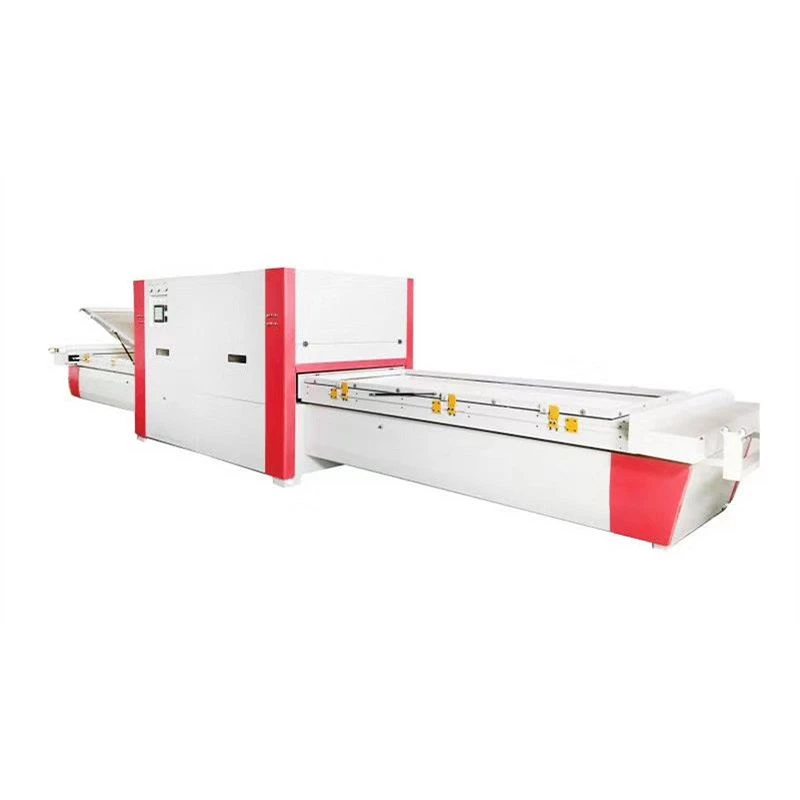

Similarly, a Sliding Door Blister Machine can be used if you are producing sliding door panels. These machines are designed to handle the specific requirements of sliding doors, and using them can streamline your production process.
Conclusion
Improving the production efficiency of a Door Panel Blister Machine is a multi - faceted process. It involves regular maintenance, operator training, process optimization, machine upgrades, workflow management, quality control, and the use of complementary machines. By implementing these tips, you can increase your production output, reduce costs, and improve the quality of your door panels.
If you're interested in learning more about our Door Panel Blister Machines or need help in improving your production efficiency, don't hesitate to reach out. We're here to help you take your production to the next level.
References
- General knowledge from the experience of operating and supplying Door Panel Blister Machines.
- Industry best - practice guidelines for blistering machine operation and maintenance.


