

Controlling the humidity around a Door Panel Blister Machine is crucial for ensuring the quality of the final products and the smooth operation of the machine. As a supplier of Door Panel Blister Machine, I have witnessed firsthand the impact of humidity on the blistering process. In this blog post, I will share some practical tips on how to manage humidity effectively in the environment surrounding your Door Panel Blister Machine.
Understanding the Impact of Humidity on Door Panel Blistering
Humidity can have a significant influence on the performance of a Door Panel Blister Machine and the quality of the blistered door panels. Excessive humidity can lead to several problems, such as poor adhesion between the PVC film and the door panel substrate, blistering defects, and longer drying times. On the other hand, low humidity can cause the PVC film to become brittle, increasing the risk of cracking during the blistering process.
When the air is too humid, the moisture can interfere with the bonding process between the PVC film and the door panel. This can result in weak adhesion, which may cause the film to peel off over time. Additionally, high humidity can slow down the evaporation of solvents in the adhesive, leading to longer curing times and potential quality issues.
Conversely, low humidity levels can cause the PVC film to lose its flexibility. As the film becomes more brittle, it is more likely to crack or tear during the blistering process, resulting in defective products. Therefore, maintaining an optimal humidity level is essential for achieving consistent and high - quality results.
Measuring Humidity
Before you can control the humidity around your Door Panel Blister Machine, you need to measure it accurately. There are several types of humidity measuring devices available on the market, including hygrometers. Digital hygrometers are particularly popular because they provide accurate and real - time humidity readings.
Place the hygrometer in the vicinity of the blister machine, preferably at a height where the air circulation is representative of the overall environment. It is also a good idea to have multiple hygrometers placed at different locations around the machine to get a comprehensive understanding of the humidity distribution.
Controlling Humidity in the Workplace
Ventilation
Proper ventilation is one of the most effective ways to control humidity. Install exhaust fans in the workshop to remove moist air and bring in fresh, dry air. The exhaust fans should be strategically placed to ensure that the air circulation is efficient. For example, place the fans near the source of moisture, such as the blister machine or any water - using equipment in the area.
In addition to exhaust fans, you can also use intake fans to bring in outside air. However, make sure that the outside air is not too humid. You may need to install air filters to remove dust and pollutants from the incoming air.
Dehumidifiers
Dehumidifiers are another valuable tool for controlling humidity. They work by removing moisture from the air, reducing the relative humidity in the workshop. When choosing a dehumidifier, consider the size of the workshop and the level of humidity you need to achieve.
For larger workshops, industrial - grade dehumidifiers are recommended. These dehumidifiers have a higher capacity and can handle larger volumes of air. Place the dehumidifier in a central location in the workshop to ensure that it can effectively reduce the humidity throughout the area.
Humidifiers
In some cases, especially during dry seasons or in arid climates, you may need to increase the humidity around the Door Panel Blister Machine. Humidifiers can be used to add moisture to the air. Ultrasonic humidifiers are a popular choice because they are energy - efficient and can produce a fine mist of water vapor.
When using a humidifier, make sure to monitor the humidity levels closely to avoid over - humidifying the environment. Over - humidification can lead to the same problems as high natural humidity, such as poor adhesion and blistering defects.
Maintaining the Door Panel Blister Machine
Regular maintenance of the Door Panel Blister Machine is also important for humidity control. Keep the machine clean and free of dust and debris, as these can accumulate moisture and affect the performance of the machine.

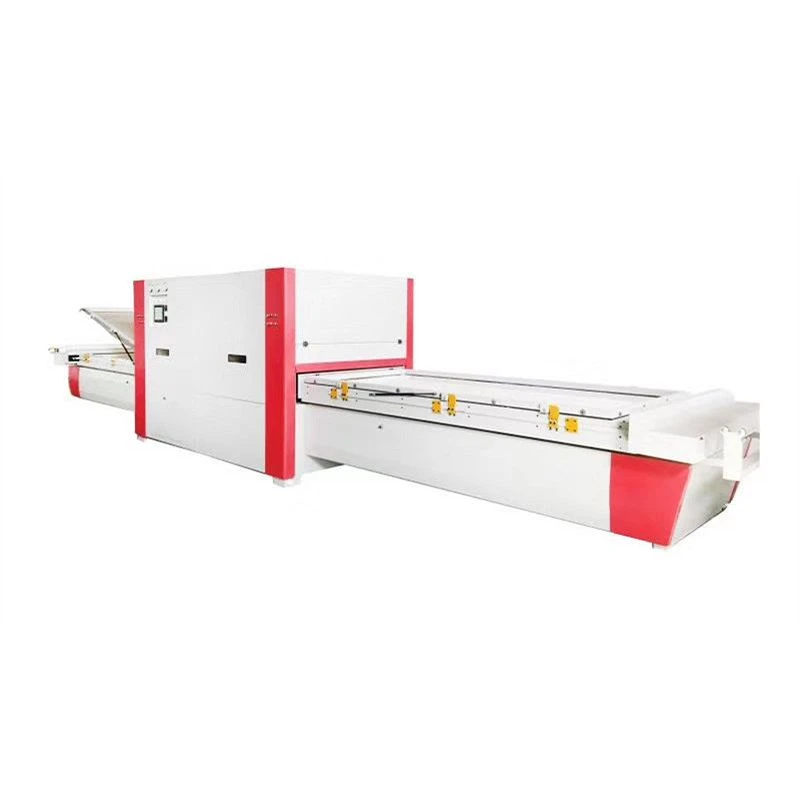
Check the seals and gaskets on the machine regularly to ensure that they are in good condition. Damaged seals can allow moisture to enter the machine, which can cause corrosion and other problems. Replace any worn - out seals or gaskets promptly.
Impact of Temperature on Humidity
It is important to note that temperature and humidity are closely related. As the temperature increases, the air can hold more moisture. Therefore, when controlling humidity, you also need to consider the temperature in the workshop.
Maintain a stable temperature in the workshop to avoid sudden changes in humidity. You can use air - conditioning systems to regulate the temperature. A stable temperature environment will help to keep the humidity levels more consistent, which is beneficial for the blistering process.
Monitoring and Adjusting
Controlling humidity is an ongoing process. Continuously monitor the humidity levels around the Door Panel Blister Machine using the hygrometers. Based on the readings, make adjustments to the ventilation, dehumidifiers, or humidifiers as needed.
Keep a record of the humidity levels and any adjustments made over time. This will help you to identify patterns and make more informed decisions about humidity control in the future.
Other Considerations
In addition to the above methods, there are some other factors to consider when controlling humidity around a Door Panel Blister Machine. For example, the storage of raw materials, such as PVC films and adhesives, can also affect the humidity in the workshop. Store these materials in a dry and cool place to prevent them from absorbing moisture.
Also, consider the layout of the workshop. Avoid placing the blister machine near sources of moisture, such as sinks, water pipes, or areas prone to leaks.
Conclusion
Controlling the humidity around a Door Panel Blister Machine is a complex but essential task for ensuring the quality of the final products and the smooth operation of the machine. By measuring humidity accurately, using ventilation, dehumidifiers, and humidifiers, maintaining the machine, considering the temperature, and continuously monitoring and adjusting, you can create an optimal environment for the blistering process.
If you are in the market for a high - quality Door Panel Blister Machine, Sliding Door Blister Machine, or PVC Blister Laminating Machine, we are here to help. Our machines are designed to provide reliable performance and high - quality results. Contact us to discuss your specific requirements and start a procurement negotiation today.
References
- ASHRAE Handbook - Fundamentals. American Society of Heating, Refrigerating and Air - Conditioning Engineers.
- Industrial Dehumidification Manual. Munters.
- Plastics Processing Technology Handbook. Hanser Publications.


