

Hey there, fellow woodworkers! I'm a supplier of woodworking planers, and I know how frustrating it can be when your beautiful wood starts to burn while using a planer. But don't worry, I've got some tips and tricks to help you prevent that from happening.
First off, let's talk about why wood burns in the first place. When you're using a woodworking planer, the blades are cutting through the wood at high speed. If the blades are dull, or if you're taking off too much material at once, it can cause friction. This friction generates heat, and if the heat builds up enough, it can start to burn the wood.
So, the first step in preventing wood from burning is to make sure your planer blades are sharp. Dull blades are the number one cause of burning wood. You should sharpen your blades regularly, or replace them when they start to get dull. A sharp blade will cut through the wood cleanly and smoothly, reducing friction and heat.
Another important factor is the feed rate. The feed rate is how fast you're pushing the wood through the planer. If you push the wood through too slowly, the blades will stay in contact with the wood for too long, generating more heat and increasing the risk of burning. On the other hand, if you push the wood through too fast, the blades might not be able to cut through the wood properly, which can also cause problems.
The ideal feed rate depends on a few things, like the type of wood you're using and the thickness of the material you're removing. As a general rule, you should aim for a steady, even feed rate. Don't rush it, but don't go too slow either. If you're not sure what the right feed rate is, start slow and gradually increase the speed until you find a comfortable rhythm.
The type of wood you're working with also plays a big role. Some woods are more prone to burning than others. Hardwoods like oak and maple are denser and can generate more heat when being planed. Softwoods like pine and cedar are generally easier to work with and less likely to burn. If you're working with a particularly hard or dense wood, you might need to take extra precautions.
One way to deal with hard woods is to use a lubricant. There are special woodworking lubricants available that can help reduce friction and heat. You can apply the lubricant to the wood before you start planing. It'll make the blades glide through the wood more smoothly and reduce the chances of burning.
Another thing to consider is the depth of cut. The depth of cut is how much material you're removing with each pass through the planer. If you try to take off too much material at once, it can put a lot of stress on the blades and generate a lot of heat. It's better to make multiple shallow passes rather than one deep pass. This way, the blades have an easier time cutting through the wood, and there's less risk of burning.
Let's talk about maintenance. Keeping your woodworking planer in good condition is crucial for preventing wood from burning. Make sure you clean the planer regularly. Dust and debris can build up on the blades and in the machine, which can affect its performance. Use a brush or compressed air to clean out the planer after each use.

Also, check the alignment of the blades. If the blades aren't properly aligned, they might not cut through the wood evenly, which can cause friction and burning. You can use a blade alignment tool to make sure the blades are set up correctly.
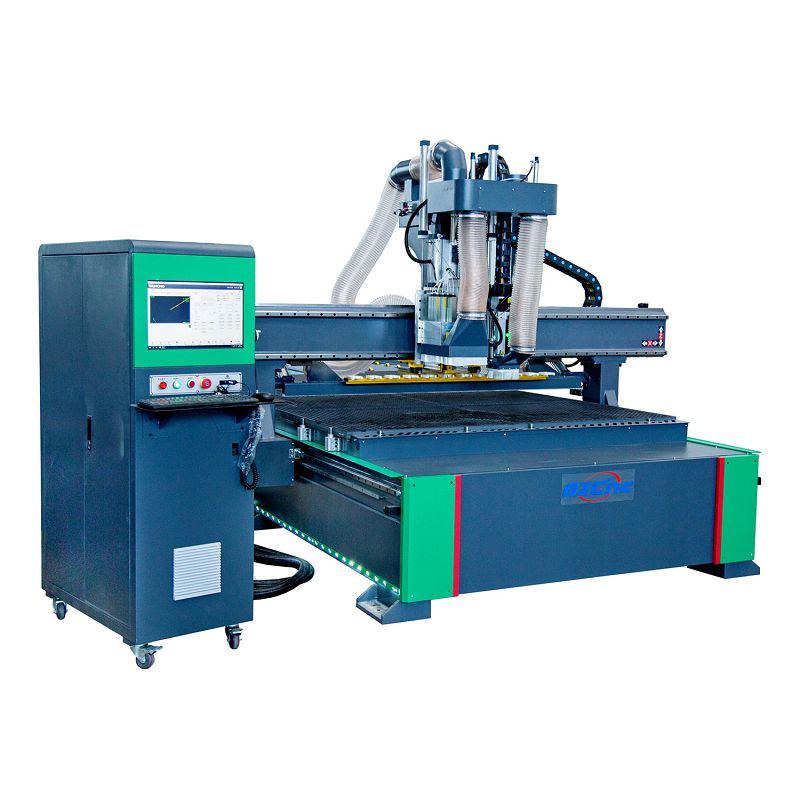
Now, I want to mention some of the products we offer that can help you with your woodworking projects. We have a great Multi Functional Wood Planer Machine that's designed to be efficient and reliable. It has sharp blades and a precise feed system, which can help you achieve a smooth, burn - free finish on your wood.
If you're working on wooden doors, our Wooden Door Drilling Machine is a great addition to your workshop. It can handle all your drilling needs with precision, and it works well in combination with our planers.
And for those of you looking for high - quality woodworking machinery, we recommend our KDT Woodworking Machinery. It's built to last and can handle a variety of woodworking tasks.
In conclusion, preventing wood from burning when using a woodworking planer is all about taking the right precautions. Keep your blades sharp, use the correct feed rate and depth of cut, and choose the right lubricant for hard woods. Regular maintenance of your planer is also essential.
If you're interested in any of our products or have any questions about woodworking, feel free to reach out to us. We're here to help you make the most of your woodworking projects. Whether you're a professional woodworker or just starting out as a hobbyist, we've got the tools and expertise to support you. Let's work together to create some amazing woodworking pieces without the hassle of burned wood!
References
- Woodworking for Beginners: A Guide to Tools and Techniques
- The Complete Book of Woodworking Machinery
- Woodworking Magazine Articles on Planer Usage and Maintenance


